Thailand Island Hopping

thailand island hopping

Island hopping in Thailand

For those interested in island hopping from Bangkok, here is a rough guide on how to get to Koh Samui, Koh Tao and Koh Phangan as well as some ideas of what to do on the islands in Thailand. Phuket is located the opposite side of the mainland and in my opinion, the beaches are more attractive with soft, fine white sand. However these three islands are a little less built up than Phuket and ideal for island hopping in Thailand.

Personally, I get bored staying too long on a beach, even if trying my hand at some of the watersports and chilling out in the bars on the shore. However, getting to these particular islands from Bangkok can take a long time if you’re not flying, so you kind of need to spend more than just a few days island hopping in Thailand just to make your time travelling there worthwhile. However, a flight to Koh Samui costs from around 3000 baht each way.

koh samui

Koh Samui

How do you get to Koh Samui, Koh Tao and Koh Phangnan from Bangkok

You can catch a joint ferry + sleeper train from Hualumpong train station in Bangkok to get to any of the islands in Thailand. An ideal time to catch this train is around 19.30 as this way you can get a decent night’s sleep rather than waste day time – the ferry arrives on each of the islands late morning the next day. If you book the joint ferry ticket you will be taken to a shuttle bus to connect you to the Don Sak ferry port from Surat Thani to Koh Samui, Koh Phangan and Koh Tao, respectively.

I recommend booking the train in advance for island hopping in Thailand though – it can get booked up at times, leaving you prime pickings for a stitching up by the tourist info people booking the buses. You can read my article on why you should book train tickets in advance in Thailand here. Trains to Surat Thani cost around 1300 baht each way (depending on the class).

Alternatively, for island hopping in Thailand you can also catch a bus straight from Bangkok to Surat Thani or Chumpon. From here you can take the ferry to Koh Samui etc. The bus to the Thai islands from Bangkok is slightly quicker and cheaper than the train but not as comfortable; it’s a pretty grueling journey being stuck on a bus for over 8 hours though. A joint bus + ferry ticket costs around 1000 baht if you book with Lomphraya – prices vary from company to company though. You can book tickets at any tourist office in Bangkok, it’s best to do in advance to avoid paying more or being stuck on the slower ferries and coaches.


Koh Samui

Koh Samui is the largest of the three islands and more built up too. Koh Samui has plenty of places to eat, bars on the beach and five star resorts. For those visiting Samui for the nightlife, Chaweng is the busiest and liveliest area of Samui to stay. Ark Bar Beach Resort costs around 1500 baht per night and is ideal for the younger tourists to stay in Koh Samui. Bophut is quieter but still packed with plenty of restaurants and pubs on the seafront as well as other day time activities available. This makes it ideal for couples, families or more chilled out groups of friends staying in Koh Samui. Smile House is a very good hotel to stay in Bophut costing from 1200 baht per night. 

  • How to get to Koh Samui: You can book a ferry at any travel agents or directly at the main ferry ports such as Tong Sala on Koh Phangan or Surat Thani on the mainland. Island hopping on the ferry to Koh Samui takes roughly 1.5 hours from the mainland. Taxis generally charge around 600 – 900 baht to transfer you to your hotel from the ferry port on Koh Samui, there are some minibuses around though – one company called Travel Hut seems pretty reasonable. They have an office located around the port and charge 150 baht per person to drop you to your hotel. Alternatively, you can hire motorcycles for 250 to 400 baht per day (dependant on the engine size). It can be a fun way to explore Koh Samui island and it’s beaches, although the islands in Thailand are quite famous for their particularly dangerous roads so take care.
thailand island hopping

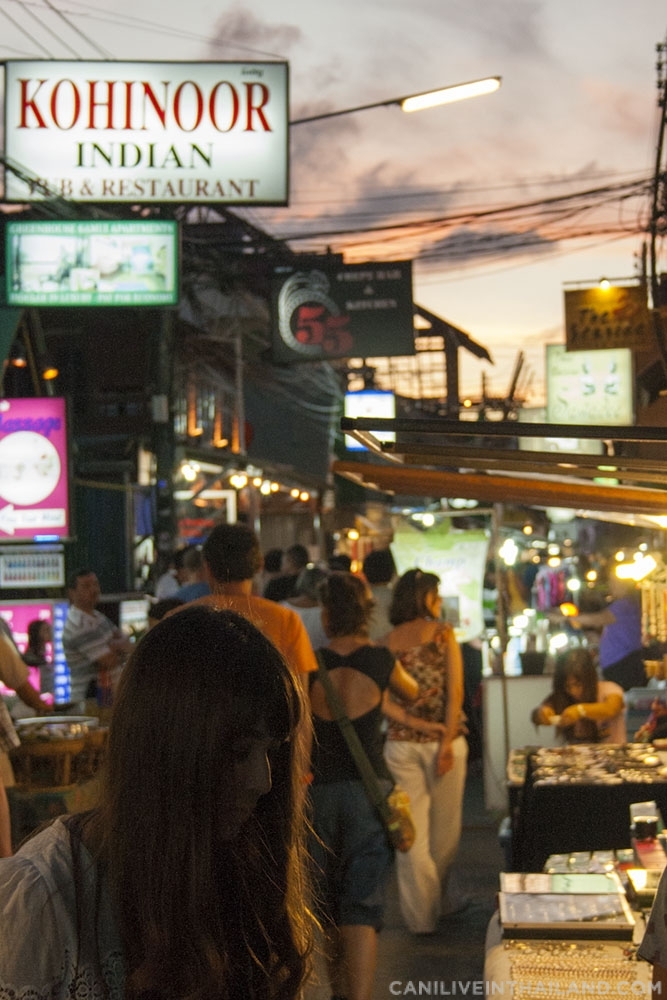
Walking Street, Fisherman’s Villaage

  • What to do in Koh Samui: If staying in Bophut, it can be a good idea to make sure you are staying in Koh Samui on a Friday. In Bophut fisherman’s village there is very lively ‘Walking Street’ every friday night, complete with fire poi shows, traditional thai performances and many stalls selling silks, clothing, handmade coconut beauty products, artwork and authentic Thai snacks. During the daytime, chill out on the beach or try your hand at windsurfing for 360 baht per hour. The conditions in Koh Samui are apparently the best in the world for windsurfing so it’s not a bad place to try it out if you’re interested. As well as windsurfing in Koh Samui, you can also rent kayaks for 250 baht.
thailand island hopping

Bophut

Koh Phangan

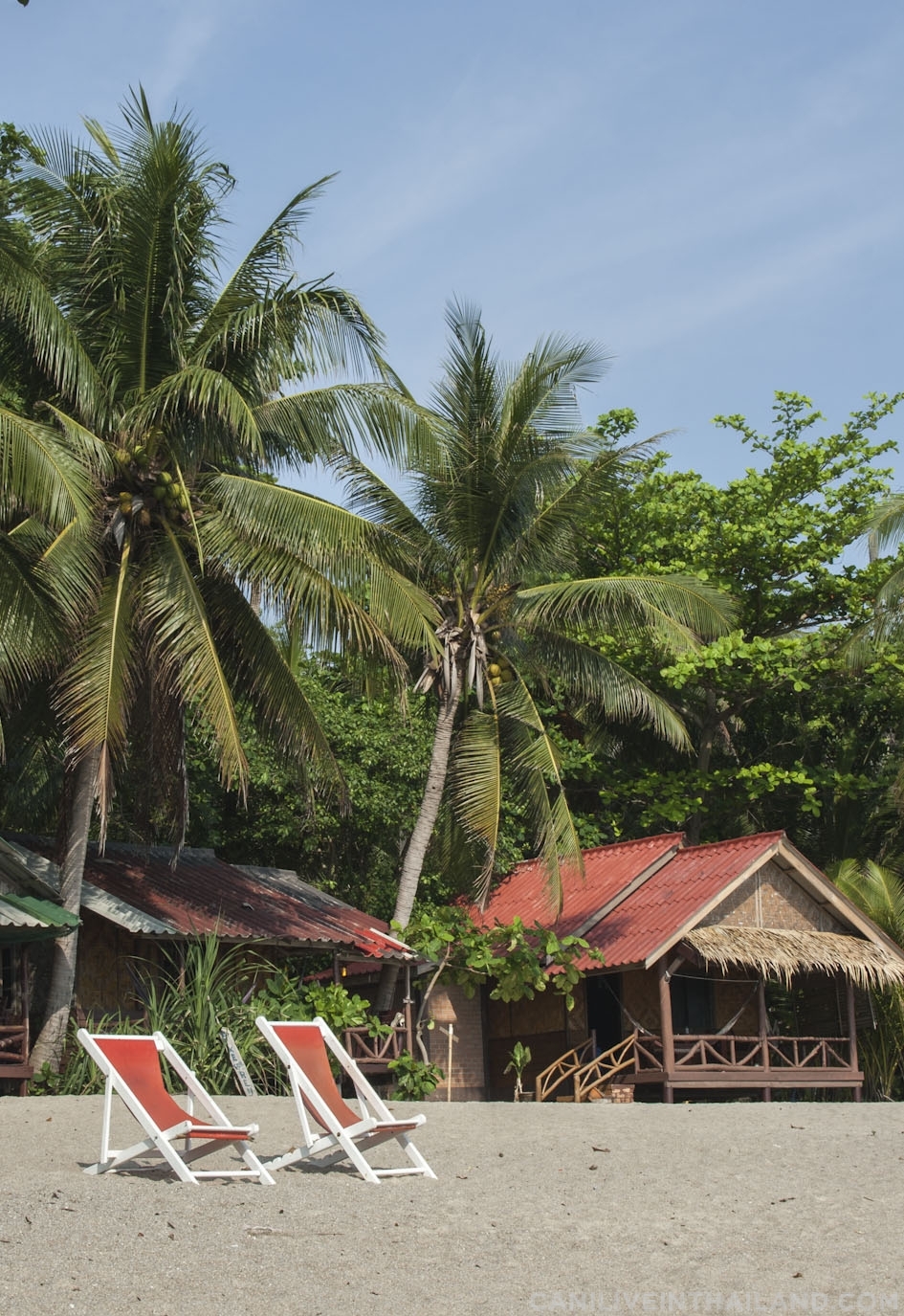
Koh Phangan is primarily known for it’s famous Full moon parties and Jungle parties. The best place to stay for groups of friends and good nightlife on Koh Phangan is Hat Rin. V2 Seagate Hip Hotel is situated right in the middle of the nightlife in Hat Rin at a reasonable price too. For families and couples though, a good place to stay on Koh Phangan is perhaps Than Sadet. Mai Pen Rai bungalows on Than Sadet beach are very cheap at around 500 baht. They are located off the beaten track with their own peaceful, secluded beach.

  • How to get to Koh Phangan: A ferry to Thong Sala from the other islands costs around 400 baht and it is worth booking in advance with one of the tour offices during the full moon party time. You can also catch a slightly cheaper long tail boat from Maenam beach pier on Koh Samui but you cannot book this one in advance. Again, you can hire a motorcycle once in Koh Phangan but I would only recommend this for very confident drivers as the roads can be very steep and.. jungly.
  • What to do in Koh Phangan: There are other beach parties throughout the month in Koh Phangan as well as the full moon party, you can check the dates here to plan when to go. You can hire snorkels for 100 baht per day and kayaks for as little as 100 baht per hour. For fans of the tv shows Takeshi’s castle and Wipeout, you must visit Koh Phangan Wipeout located not too far from Thong Sala pier at Laem Son Lake. It costs 500 baht for the day and they are open Tuesday – Sunday 10am until 6pm.
thai islands

Than Sadet Beach

Koh Tao

Koh Tao is the smallest and most unspoilt of the three islands which makes it ideal for nature lovers and scuba divers island hopping in Thailand. There is an abundance of sea life and coral reefs for diving. Koh Tao is popular island with divers and younger travellers, it’s ideal for groups of friends looking for adventure and cool nightlife.

Sairee beach is the most popular and lively area to stay on Koh Tao but the beach is rather dirty and neglected – it’s worth a visit for the nightlife on the evenings at least though, especially the bars along the beachfront. There are many other more secluded bays such as Ao Leuk and Mango bay for prettier beaches. Koh Tao Resort in Chalok is a good medium with a cool divers community and small, sandy beaches.

It’s best to rent a scooter for 150 baht per day to get around Koh Tao as you cannot catch taxis for any less than 250 baht per journey. Taxi drivers on Koh Tao will generally want between 50-100 baht per passenger or 400-500 baht per journey and will not be haggled down to less than 250 baht.

  • How to get to Koh Tao: Again, you can book a ferry to Koh Tao for around 400 baht from either Koh Samui or Koh Phangan. To get from Bangkok to Koh Tao, you can catch a coach to Chumpon pier and take the ferry straight to Koh Tao. It’s slightly quicker to get to Koh Tao from Bangkok than it is to get to Koh Samui or Koh Phangan; the bus can get there in 6 hours and the Lomprayah catamaran ferry 90 minutes. You can book joint ferry + bus ticket for around 1100 baht per person.  Alternatively, you can hire a minibus and driver from 3000 baht for the day, it may well make a fun road trip.
  • What to do in Koh Tao: There are absolutely loads of different companies which offer scuba diving courses on Koh Tao, from 1 day to 7 days in length and it is the most ideal island to do this out of the three. Alternatively, if you feel there is not enough to keep you entertained on Koh Tao alone to make it worth staying, you can just book a day trip there instead through any of the Tour agencies on the other islands for around 700 baht. This usually includes some lunch, snorkel hire and a trip to Angthong National Marine Park as well. 

You can rent ATVs for around 1000 baht to get around Koh Tao, not only are they good fun and safer than scooters, but they can also get you to some of the more isolated and more beautiful bays of the island too. Koh Tao also has a shooting range and an island-to-island zip wire for more beach-unrelated fun.


Island hopping in Thailand. For more Thailand travel ideas and tips, click here.
Bangkok To Sukhothai

what to do in thailand

Thailand is a huge country full of so many choices of what to do and where to visit. To help guide people on where to travel and what to do in Thailand, I will be starting a mini series of tried and tested mini trips in Thailand. When it comes to organising holidays in Thailand I am ridiculously meticulous and spend a stupidly long time planning the best places to go, what to do and researching the best value hotels with the top reviews.

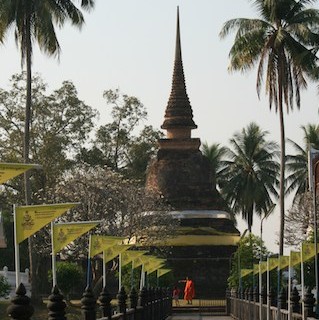
sukhothai historical park

Ruins at National Historical Park, Sukhthai

Two nights in Sukhothai

How to get to Sukhothai

Day 1: Catch the train (terminating in Chiang mai) from Bangkok Hualumpong station to Phitsanulok. For some reason you can not book the train online anymore, but tickets can easily be purchased on arrival at the train station. Check out www.railway.co.th for an up to date timetable.

N.B:  A 2nd class train ticket to Phitsanulok including aircon on the DRC train will cost around 490 baht. This train leaves at 8.30 and takes 5hrs + meal and snacks included – It’s clean, comfortable and quick with a western toilet

A 2nd class train ticket with fan only on the Rapid train will cost around 289 baht – This train does not include a meal and has a squat toilet instead (Quite the challenge on a bumping and jerking train). This train is also slower, taking around 7 hours. It is fine when travelling during the daytime, but it does become a bit of a bug fest at night time with all the windows open (not to mention a tad grubby).

A 3rd class train ticket costs from around 69 baht- it’s not particularly comfortable so I would not recommend this for journeys over an hour long. 

Catch the bus from Phitsanulok bus terminal to travel to Sukhothai – the ticket kiosks are clearly marked and the staff are very helpful in pointing you in the right direction. A bus ticket costs 43 baht and the journey to Sukhothai is just over an hour long. There are tuk tuks and buses outside of Phitsanulok train station which can take you to the Pitsanulok bus terminal located about 5 minutes away – the tuk tuks tend to charge around 60 baht for this.

Where to stay in Sukhothai

For people on a low budget, check in at TR Guesthouse in Sukhothai for around 300 baht per night. If you have time to spare, a trip to the main Sukhothai market is advised where you can buy some extremely cheap clothing and shoes or tuck into some of the local Sukhothai  food. Also make sure to visit the Chopper Bar in Sukhothai, a few doors up from TR Guesthouse; a biker style bar where they have an awesome local musician to play american/ country infused Thai folk music every night.

Sukhothai historical park

After exploring Sukhothai town, on day 2 visit the Sukhothai historical Park – Hire a moped from 200 baht and cruise around the historical park ruins with a prepared picnic. Alternatively, catch the songthaew to the old city, and then rent a bicycle to cycle around Sukhothai historical park. It’s best to head out early in the morning or later in the afternoon/ evening to avoid the heat and the crowds. The Sukhothai historical ruins are absolutely huge, but in my opinion, 4 or 5 hours will suffice. Entry to each of the sections of Sukhothai historical park costs around 100 baht each.

sukhothai

Sukhothai countryside

Book a tour with Cycle Sukhothai

As well as Sukhothai historical park tours, Cycle Sukhothai also do countryside, sunset and Karma & Darma tours which are all a little more off the beaten track and show you a side of Sukhothai that you will unlikely experience as a tourist otherwise. In my opinion, touring the Sukhothai historical park is something you can easily do alone without a guide though. Cycle tours can cost from 350 baht – Check out www.cycling-sukhothai.com

Day 3: Take a taxi to the Sukhothai bus terminal for 60 baht and catch a bus back (they come roughly every hour) to Pitsanulok.

Optional Phitsanulok detour for nature lovers!

The charming Rainforest Resort, Phitsanulok

*Phitsanulok and Sukhothai are actually situated along the main route to Chiang Mai, so if you have not been before, it is a good idea to continue on the same train and make a visit to Chiang mai too.

The town of Phitsanulok itself, is a little lacking in things to do on it’s own. But if you hire a car or don’t mind catching the bus around, there are plenty of national parks and waterfalls to explore and experience the Phitsanulok rainforest, although they are fairly spread out.

  • Take a bus from Phitsanulok bus terminal to the highly recommended Rainforest Resort for 25 baht. This place is situated, if you can’t guess, in the rainforest area about 35km outside of Phitsanulok town and off the beaten track. Make sure to write the Thai address down and mention Khaeng song water fall (pronounced nam dtok gaeng song) so that you can catch the correct bus. It is a 5 minute walk back towards Phitsanulok from this waterfall. 1 night in a bungalow will cost from around 2000 baht.
  • The rainforest resort offers kayaking and white water rafting activities. You can also easily check out the nearby Khaeng Song waterfall where the Phitsanulok locals spend their days off for picnics and swims in the river.

A bungalow at Rainforest Resort

Road trippin’ Phitsanulok and Sukhothai. You can check here for more ideas of what to do in Thailand.

Where To Live In Bangkok

Areas Of Bangkok

The best place to live in Bangkok mainly depends on each expat’s priorities and commitments they will have while living in Bangkok. There are the ‘Hi-so’ areas of Bangkok for those with good job prospects and finer tastes, and there are places to live more suited to a local Thai style for those on a budget.

Understandably, apartment rent in Bangkok typically costs much more when located closer to a BTS or MRT station. For many, once they have become a seasoned Bangkok expat they tend to grow a distaste for walking more than two minutes in the sweaty Thailand heat! Therefore, renting near a BTS station can be well worth the extra cost…

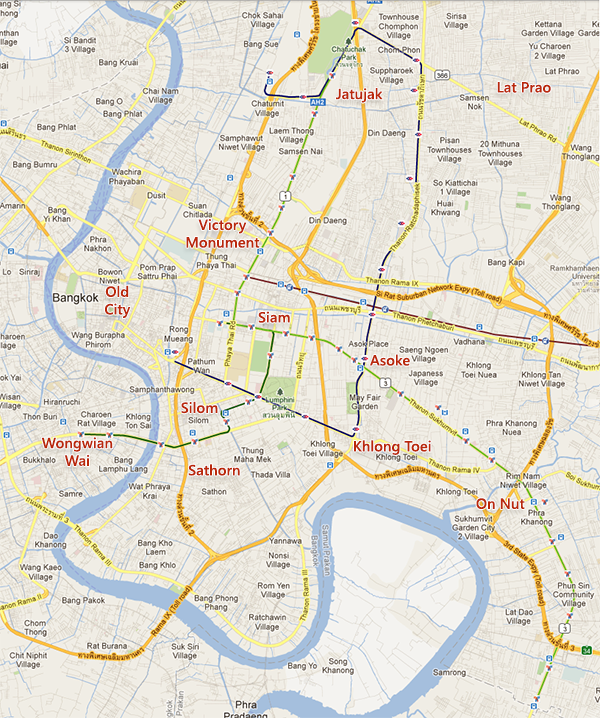
You can find the BTS, MRT and airport link routes and their areas on the map below (the green, blue and red lines respectively). Although you may want to bear in mind that some condos in Bangkok offer a free shuttle service to the nearest station.  

If you plan on driving or don’t mind commuting by bus, songtaew and motorbike taxi, then you will find much cheaper condos and even more flexibility of where to live in Bangkok. Areas of Bangkok such as Bangkok Noi, Pinklao, Ratchada Thapra (both located to the west across the Chao Praya river), Lat Prao and Lak si further past Chatuchak, all provide great value accommodation.

It can be difficult to decide where to live in Bangkok without knowing exactly where the different districts, transport links and essentials are located.

Best place to live in Bangkok


bangkok map where to stay


Pathum Wan district – Central Bangkok

BTS: Siam, Chit Lom, Ploenchit, National Stadium

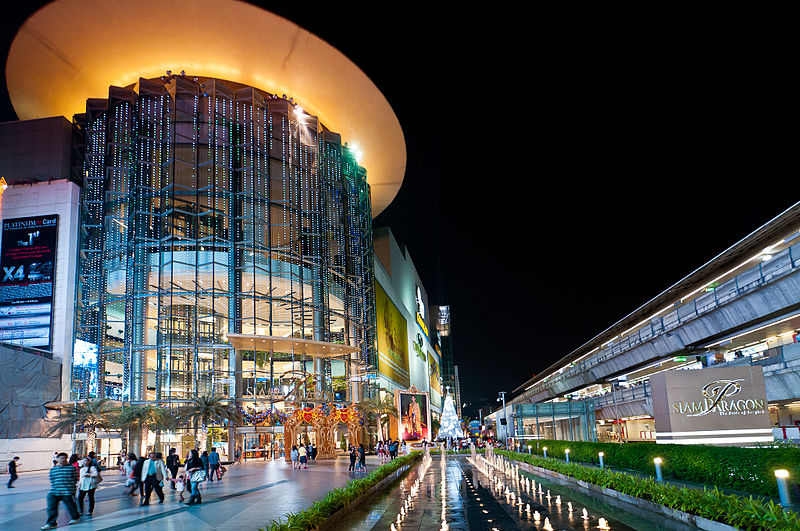
Pathum Wan stands as the central area of Bangkok and is home to a huge chunk of the mega expensive and fashionable malls of the city. For both human traffic and transport traffic, it is perhaps the busiest and liveliest area you could live in Bangkok. If you stick to the main streets of Siam you’ll find the glamorous hi-so socialites and fashionable business folk of Bangkok, yet veer off slightly to the side streets and you’ll find bustling local streets exploding with cheap stalls and food carts.

The centre of Bangkok has everything you could possibly need: Live music, yoga classes, pole dance classes, gyms, restaurant brands from around the world and even a giant Blade Runner stylee technology market, Pantip Plaza – get bored and there will probably be something going on or some kind of activity you can take up in this Bangkok centre.

siam bangkok area

The centre of Bangkok will be particularly appealing to the shoppers and expat fashionistas. Conveniently, a skywalk even runs through a large part of Siam, connecting all the big Bangkok shopping malls with Chitlom BTS stations. You’re never too far from the luxury of air con here – people in the centre really don’t like to sweat too much…

The Bangkokians in Siam tend to be very glamourous and fashionably dressed. Let’s just say walking around the shopping malls here… I feel like kind of a pauper scruffbag. If you search for apartments near the National Stadium side of Pathum Wan though, you can still find some affordable places to live and still be in a great Bangkok location.

Cost of Living in Pathum Wan: $$$$ – $$$$$

Points of interest in Pathum Wan: Siam Centre, Paragon, Central World, Siam Square

Where to live in Bangkok Pathum Wan: Budget apartments near National Stadium – 74 Mansion, Patumwan Oasis


Rattanakosin

Ferry Pier: Phra Athit

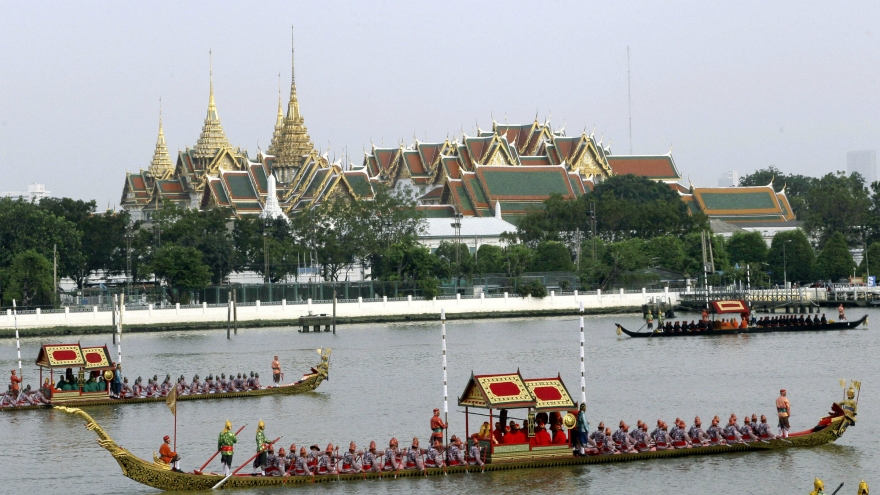
Rattanakosin is located away from the subway and skytrain systems, perhaps to preserve it’s historic roots as the Old City of Bangkok. The area is great for tourists but not so great as a place to live for expats in Bangkok. Getting around can be difficult as traffic is terrible and taxis often refuse fares and are reluctant to take passengers far.

old city area bangkok

Options are limited between taxi and ferries on the main canal and the Chao Phraya river. The district of Rattanakosin is also a little less modern than other areas of Bangkok, lacking in amenities due to the lack of expats living there. There are still expats living in Bangkok who enjoy renting in this area though, mainly those who work there or others who peacefully stick to the hidden away hippy communities.

Cost of Living in Rattanakosin: $$

Points of interest in Rattanakosin: Khaosan Road


Phayathai

BTS: Victory Monument, Phayathai, Rachathewi, Sanam Pao

The Phayathai district is ideally located in central Bangkok within very close distance to Siam centre. The BTS system allows easy travel between all the main areas of Bangkok such as Siam, MBK, Silom and Chatuchak weekend market which are all within just a couple of stop’s reach.

Phayathai is perhaps the best location in the city for public transport. The traffic is terribly busy in the area, but expats in Phayathai have access to Bangkok’s airport rail link and city link, the BTS system and the mini bus hub. Yet despite it’s convenient, central location and fantastic transport links, you can actually find some good value condos for rent in the area.

phayathai

The area around the Victory Monument and Rangnam Road offers plenty of entertainment such as shopping, restaurants and Thai nightlife, plus some great bars with live music such as the Rock Pub and Saxophone Pub. Phayathai is not overly touristy so you can rest assured that you won’t get hassled too much by Tuk Tuk drivers like in Nana, Silom or Rattanoskin, but it is still an extremely busy and lively area to live in Bangkok.

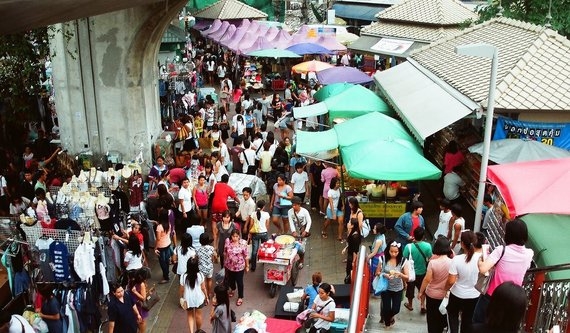
In the evenings, the streets become heaving with crowds and street stalls selling food and clothing. For some expats, it can be a little overwhelming and hectic to live amongst this after a while. Nonetheless, if you love a bit of classic hustle and bustle, you can rent surprisingly cheap apartments for such a central area of Bangkok… plus it’s definitely a hard area to beat for convenience and entertainment – Thai-style!

Cost of Living: $$$

Where to live in Bangkok Phayathai: Budget – 21 Living Place, 507 Residence


Bang Rak Silom

BTS: Sala Daeng, Chong Nonsi / MRT: Silom

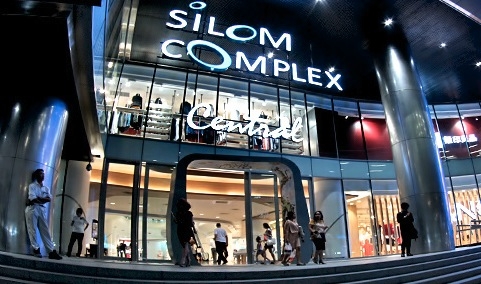
Silom offers pretty much everything you could possibly need while living in Bangkok and provides a lively atmosphere 24 hours a day, everyday. Silom boasts a wealth of multi-national bars, irish pubs, pizzerias, sushi restaurants, markets, malls, useful shops and supermarkets ideal for expats in need of some home luxuries. On the other hand, there are plenty of cheap, local places to eat for those living on a budget in Bangkok as well.

The Silom area of the Bang Rak district is conveniently located in close distance just stops away from the main centre via both BTS and MRT. It’s both a convenient and entertaining place to live, however this does come at a cost. Apartments are hard to find for less than 15000 baht per month minimum. By all means though, if you can afford to live in this area of Bangkok it may well be worth paying the extra money.

It’s useful to know that there are two sides to Silom that are extremely different in atmosphere. The attractive, palm tree lined western end of Silom, nearest the Chao Phraya river, is considerably more subdued and less lively during evenings, whereas the eastern end, that surrounds BTS Sala daeng and borders Lumpini Park, is quite the opposite. On the main Silom road here, as dusk falls and the highstreet shops start to close, the streetwalks begin to quickly fill up with vibrant, fairy light-covered night stalls, where you can buy shoes, bags, dresses and trinkets throughout the whole night.

silom

The red light district area in Sala Daeng, known as Patpong, may be seen as rather seedy and unappealing to some. It is pretty harmless and easy to avoid once you know the roads though.

The whole of Silom is a popular area in bangkok to stay for tourists. This means you might get some of the usual tourist trap shouts by tuk tuk drivers and restaurant workers like ‘Oi you! Where you going? You want Thai food? Ping pong show?’. This may get annoying for some people. Not only is the Silom area of Bangkok a hotspot for locals, expats and tourists, it is particularly popular with Japanese expats, hence you will find the famous ‘Japanese Street’, or Thaniya Road, brimming with Tokyo style neon signs and Japanese restaurants.

Cost of Living in Silom: $$$$

Points of interest in Silom: Roadhouse Pub, Central Silom Complex, Patpong night market, Lumpini Park, Thaniya Road

Where to live in Bangkok Silom: Luxury – The Legend Apartments


Bang Rak Sathorn

BTS: Saphan Taksin, Surasak / MRT: Lumphini

Sathorn is somewhat more of a business district area of Bangkok and hence has a slightly more subdued atmosphere than some of the other central areas of Bangkok. Weekends are eerily quiet but the weekdays provide a balanced, lively crowd of bustling locals and business workers.

Sathorn makes a good place to live in Bangkok for an atmosphere that sits between the busy, hectic tourist centres of the city and the perhaps less interesting, outer areas of Bangkok. It makes for quite a pleasant, hidden escape from some of the craziness you might find in Phayathai, Nana and Silom, for example.

Location-wise, Sathorn is ideally situated on the BTS route just a few stops away from the centre of Bangkok, still close to all the main activity of the main city. The western end is a little more quiet than the eastern side with quaint backstreets offering plenty of local activity and cheap Thai cooking. It provides easy access to BTS Surasak as well as easy walking distance to the western side of Silom.

sathorn

Just one stop away on the BTS, you can find the central pier which will grant you access to all the areas along the Chao Phraya river. For those on a budget living in Bangkok, you can find some relatively cheap apartments for rent towards the western end of Sathorn; studios start from as little as 5000 baht per month and provide a convenient base to commute or travel around the city.

The eastern end of Sathorn, towards Lumpini Park and Lumpini MRT station, offers slightly more sophisticated and professional surroundings: you’ll find the Life Center shopping mall elegant restaurants and five star hotels dotted along the main road.

Cost of Living: $$$

Points of interest in Sathorn: Jameson’s Irish Pub, Launch Pad Co-work SpaceChinese Cemetery & Park, The Life Center, Lumpini Park

Where to live in Bangkok Sathorn: On a budget – Sathorn Saint View (Review here), Baan Sathorn, Purita Apartments, Medium – Littlest Guesthouse, Thai CC Residence, Luxury – Sathorn Gallery Residences


Sukhumvit 9 – 27

BTS: Nana, Asoke / MRT: Sukhumvit

Sukhumvit is the extremely long, main road that runs through Bangkok city and connects all the areas by numerically ordered numbered sois. When you live in Bangkok, you’ll find that people use the Sukhumvit Soi numbers to explain locations to people – the smaller the number, the closer to central Siam.

The Nana and Asoke area of Sukhumvit is a hugely multicultural area teaming with expats and holiday makers from around the world. Nana in particular is a very lively and busy area of Bangkok. On the main Sukhumwit Road through Nana, it’s actually difficult to walk on the paths without being hassled in one way or another; being persuaded to buy a suit or hounded by the street stall owners along the way.

Personally, I find Nana busy in a bad way rather than a good way, and I find it a chore to make it through the hectic way of the sidewalks – this may be all fine and dandy for tourists who might actually be interested in the souvenirs for sale and the prospect of tailor made suits, but for expats it’s just a plain pain in the ass.

nana

Location wise, Nana and Asoke make a convenient place to live in Bangkok, being only three stops away from the centre station at Siam and just a 5 or 10 minute walk to the cool shopping mall, Terminal 21. And to top that off, the area has some of the best and most renowned nightlife Bangkok has to offer. For all the modern nightclubs (many especially popular amongst expats), rooftop bars, pubs and huge range of restaurants, soi 11 is absolutely crammed full of choice in nightlife for the average person.

For the go go bars in Bangkok, ‘Soi Cowboy’ is one of the most famous ‘red light district ‘areas in Thailand for it’s choice and sheer volume of bars. Some may find the atmosphere of this area a little seedy and distasteful because of this though. Personally, other than the bars on soi 11, I’m not much of a fan of this area and think it is perhaps not ideal, or 100% safe, for couples or females living in Bangkok.

Cost of Living: $$$$

Points of interest on Sukhumvit: Terminal 21, Benjakiti park, Soi 11 nightlife, Soi Cowboy red light district

Where to live in Bangkok Sukhumvit: K-House


Sukhumvit (Soi 29 – 65)

BTS: Phrom Phong, Thonglor, Ekkamai

Phrom Phong, Thonglor and Ekkamai are known to be the posh areas of Bangkok, the hi-so place to live in Bangkok if you will. Phrom Phong in particular is recognised as where to live in Bangkok for high flying expats with professional jobs. Conveniently, you’ll find many good restaurants, hair salons, western pubs and shops catering for expats with English signs outside.

A 20 minute BTS ride about 5 stops away from Siam centre, this part of Sukhumvit manages to evade the pushy hustle and bustle of tourist trap tuk tuks and other tack that you mind find in other areas of Bangkok. It offers a little more sophistication in the form of fashionable complexes, trendy bars and clubs, and fine dining restaurants.

You can still find some charming, hidden away Thai gems such as cool bars, cute beer gardens and casual outdoor Thai buffets. Thonglor and Phrom Phong tend to be especially expensive to live in Bangkok and mainly appeal to expats with well paying transfer jobs. Ekkamai offers equally pleasant scenery and amenities though, as well as better value apartments for rent. Typically, you can find a one bedroom apartment in Ekkamai from around 15000 baht per month (£300 or $470).

Cost of Living: $$$$-$$$$$

Points of interest in Sukhumvit: Emporium Mall, SD BBQ, Banrie, Tuba Bar, Iron Fairies, Witches Tavern, Roast, Soi 55 and 63 nightlife

Where to live in Bangkok Sukhumvit: Low/medium – The Hive, Luxury – Ivy Thonglor


Wongwian Yai & Talat Plu (Thonburi)

BTS: Wongwian Yai, Po Nimit, Talat Plu, Krung Thonburi

Thonburi is located a little further out of the city centre, across the Chao Phraya river that cuts through Bangkok. In recent months, the BTS route has been expanded to include Po Nimit and Talat Plu stations, and continues to build further on.

This means that despite Thonburi’s distance out of the city centre, it is still well connected to all the main areas of Bangkok via the newly built BTS stations. It also means that apartment rent is currently very cheap in this area as it doesn’t seem to have built up and caught up with the rest of Bangkok yet. There are a many new apartment buildings popping up in the Thonburi district near the BTS stations very quickly, and they all seem to offer great value condos for the money.

Where there are advantages though, there are usually drawbacks as well. The main areas near the BTS route in Thonburi, particularly Talat Phlu, tend to have rather unsightly overpasses and carriageways running through them. There are also ongoing building works of the extending BTS route. Therefore, as the area is currently being modernised and built up, many parts are suffering a rather ugly in-between stage.

There are not many expats and tourists in Thonburi at all and you will find locals speaking a lot less English than they do in the centre. People tend to notice foreigners more and respond with more stares and giggles than other areas of Bangkok. Due to the lack of foreign influence though, the cost of living such as food and shopping prices are much cheaper.

Cost of Living: $

Points of interest in Thonburi: The Mall Thapra

Where to live in Bangkok Thonburi: Budget – Lumpini Place, Medium – Casa Condo, Parkland, Metro Park